Aluminum Machining: Techniques for Precision and Efficiency
Aluminum machining presents unique challenges and opportunities across the manufacturing field. Precision and efficiency are critical for success in this field. Numerous methods, including tool selection and coolant application, contribute significantly to achieving optimal outcomes. Gaining insight into these approaches can improve both output and quality. With the ongoing evolution of the industry, emerging technologies inspire deeper investigation into their influence on machining processes. What innovations could lie ahead?
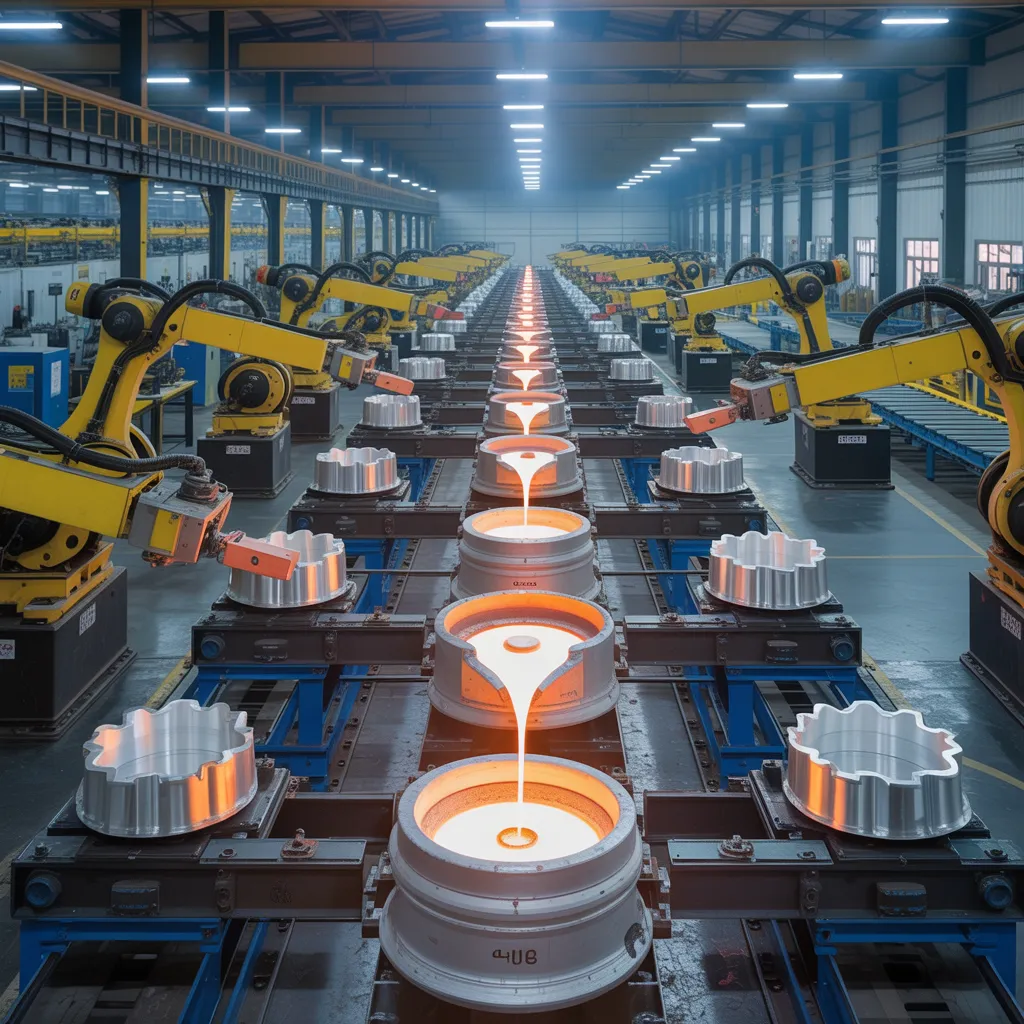
Exploring the Benefits of Aluminum in Manufacturing
Aluminum, recognized for its light yet strong properties, provides many benefits in industrial applications. Its superior strength-to-weight balance makes it ideal for uses demanding both durability and reduced mass, such as aerospace, automotive, and related industries. Moreover, aluminum is highly resistant to corrosion, which prolongs product longevity and lowers ongoing maintenance requirements. The straightforward nature of aluminum fabrication enables intricate designs and precise tolerances, elevating the standard of manufactured components.
Furthermore, aluminum's superior heat and electrical transfer properties makes it ideal for diverse uses, including heat exchangers and electrical components. The alloy is also highly recyclable, advancing sustainable practices within the manufacturing industry. Its versatility allows for a wide array of finishes and coatings, combining both visual appeal and practical performance. Ultimately, aluminum emerges as a leading material in modern manufacturing due to its blend of performance, cost-effectiveness, and environmental advantages.
Top Quality Control Practices in Aluminum Machining
In aluminum machining, robust quality control is critical to ensure precision and reliability. Key aspects include the use of diverse inspection approaches, compliance with tolerance and specification requirements, and the application of continuous improvement processes. By prioritizing these elements, manufacturers can enhance product quality and operational efficiency.
Summary of Inspection Methods
Effective quality control in aluminum machining relies heavily on thorough inspection procedures. These methods encompass a range of methods aimed at securing precise measurements and surface quality. Common practices include visual examinations, which help identify surface defects, and dimensional checks using micrometers and calipers for precise measurement. Cutting-edge technologies, such as coordinate measuring machines, enable thorough evaluations of intricate geometries. additional article Non-destructive testing methods, including ultrasonic testing and eddy current inspection, are used to identify internal flaws without compromising the material. Additionally, employing statistical process control (copyright) helps monitor manufacturing processes and ensure uniformity. Through the integration of these inspection techniques, product quality can be enhanced and waste reduced, thereby achieving enhanced operational efficiency in aluminum machining.
Tolerance and Specification Standards
Establishing accurate tolerance and specification standards is critical for upholding quality control in aluminum machining. These standards establish defined limits for dimensional parameters, guaranteeing that parts perform and fit as required. Adhering to industry specifications, such as ISO and ASME standards, helps manufacturers minimize variability and enhance product reliability. Employing precision tools like calipers, micrometers, and gauges enables precise measurement, while statistical process control effectively tracks process consistency. When documenting these guidelines, machinists can evaluate actual results against target outcomes, allowing for timely corrective interventions. Furthermore, open communication of standards to all relevant parties, including both suppliers and end customers, fosters alignment and reduces the risk of misunderstandings. Implementing rigorous tolerance standards ultimately leads to improved product quality and operational efficiency.
Continuous Improvement Practices
Continuous improvement practices are essential for enhancing quality control in aluminum machining. Integrating approaches such as Six Sigma and Lean Manufacturing can substantially decrease waste and optimize process efficiency. Regular training and skill development for operators guarantee that the workforce remains adept at using advanced technologies and techniques. Creating feedback mechanisms enables immediate adjustments and cultivates a culture of ongoing learning. Furthermore, leveraging data analytics can detect patterns and irregularities in production, allowing for preventive actions to copyright quality standards. Routine audits and performance assessments help to verify compliance with tolerance specifications, ensuring consistency. By embracing these practices, organizations can achieve higher levels of precision and efficiency, ultimately leading to superior product quality and customer satisfaction.
Learn Key Waste Reduction Approaches in Aluminum Machining
Practical waste reduction methods in aluminum machining are essential for enhancing efficiency and sustainability. Strategies such as implementing lean manufacturing practices, refining cutting tool usage, and recycling scrap aluminum can considerably decrease unnecessary waste. These approaches not only minimize costs but also support a more sustainable approach to machining.
Implementing Lean Process Methods
Adopting lean manufacturing practices in aluminum machining optimizes processes and reduces waste, improving overall productivity. By implementing strategies such as value stream mapping, manufacturers are able to pinpoint non-value-added activities and remove them. This approach emphasizes continuous improvement, encouraging teams to regularly assess workflows and implement corrective measures. Methods such as 5S (Sort, Set in order, Shine, Standardize, Sustain) promote an orderly workplace, additionally minimizing inefficiencies. Additionally, just-in-time production minimizes inventory levels, lowering holding costs and optimizing resource allocation. Engaging employees in problem-solving initiatives enhances their commitment to lean principles, leading to a culture of efficiency. In summary, incorporating these practices not only enhances operational performance but also supports sustainable growth in the aluminum machining industry.
Improving Tool Selection Methods
Implementing lean production methodologies establishes a basis for enhancing tool selection methods in the machining of aluminum. Through the analysis of production workflows, producers can determine the most efficient tools designed for particular operations, consequently boosting operational efficiency. Selecting the appropriate cutting tools based on material properties, thickness, and desired finish limits waste and optimizes performance. Additionally, using high-performance tool materials, like carbide or coated cutting tools, can extend tool life and reduce replacement frequency. Deploying tool monitoring systems facilitates real-time data gathering, allowing for adjustments that further refine machining processes. At its core, a strategic approach to tool selection promotes not only accuracy in machining but also leads to substantial cost savings and efficient resource use in aluminum production.
Recycling Scrap Aluminum Efficiently
A significant portion of aluminum scrap material generated during machining can be efficiently reclaimed, presenting an opportunity for production facilities to improve environmental responsibility and reduce operational costs. Implementing efficient recycling processes involves accumulating discarded aluminum, categorizing it based on alloy composition, and confirming it is uncontaminated. This practice not only minimizes waste but also enables businesses to recover useful materials for future applications. Additionally, forming alliances with nearby recycling centers can optimize the material recovery process and lower shipping expenses. By implementing material minimization strategies, such as refining manufacturing procedures to limit waste output, machining facilities can further improve their ecological footprint. Ultimately, the effective reclamation of aluminum waste contributes to a circular economy, fostering both environmental responsibility and economic viability in manufacturing operations.
Leading Tools for Optimal Aluminum Machining
Selecting the appropriate tools is essential for obtaining effective aluminum machining. HSS and carbide tools are widely chosen due to their cutting performance and durability. Such carbide inserts, distinguished by their hardness and durability, excel in high-speed applications, allowing for faster feed rates and longer tool life. Additionally, end mills and drills specially engineered for aluminum utilize precision-engineered geometries, which reduce friction and enhance chip removal.
Additionally, coolant mechanisms are essential in controlling tool heat levels and enhancing the surface finish. Instruments with a positive tool rake angle are highly effective, as they enable a smoother cutting process and reduce the likelihood of workpiece distortion.
Utilizing high-quality tools significantly boosts productivity but also ensures reliable machining results, proving it vital for manufacturers seeking to improve their operational efficiency in aluminum machining.
How to Increase Accuracy in Aluminum Machining?
Enhancing precision in machining aluminum requires a well-planned strategy that addresses multiple elements, including choosing the right tools, machine calibration, and machining techniques. The use of cutting tools holds significant importance; tools made of carbide, for example, deliver greater durability against wear and durability, which contribute to maintaining strict dimensional tolerances.
Furthermore, consistent machine calibration is vital to guarantee that machinery functions within designated parameters, eliminating discrepancies that could impact exactness. Machinists must additionally concentrate on applying ideal feed rates and cutting velocities customized for the particular alloy under processing.
Additionally, ensuring a tidy work area prevents contamination and secures uniform results. Implementing state-of-the-art software for simulation and tool path planning can further enhance precision by predicting potential issues before they arise.
Upcoming Trends in Aluminum Machining Technologies
Innovations in aluminum fabrication methods are set to transform established benchmarks in precision and efficiency. Current developments suggest a shift toward automation and smart manufacturing, combining advanced robotics and artificial intelligence to improve manufacturing output. Such innovations enable continuous monitoring and immediate adjustments, minimizing waste and enhancing quality control.
Furthermore, the implementation of 3D printing technology is rapidly advancing, enabling sophisticated geometric structures that traditional processes fail to replicate. This development not only accelerates prototyping but also enables customization, accommodating the distinct needs of each client.
Furthermore, advancements in machining tools and materials are elevating performance and tool life, consequently decreasing idle time. Environmentally conscious methods are also becoming increasingly common, with a focus on lowering energy demands and recovering aluminum materials. In summary, the future of aluminum machining is defined by a blend of technological innovation and sustainability, heralding a more productive and greener production environment.
Commonly Asked Questions
What Are the Frequent Challenges in Aluminum Machining?
Common challenges in aluminum machining encompass tool wear, material deformation, chip formation, and achieving precise tolerances. Moreover, monitoring cutting speeds and feed rates is necessary to minimize heat buildup and guarantee efficient production processes.
How Does Aluminum Measure Up to Other Metals in Machining?
Aluminum typically provides simpler machining relative to numerous metals owing to its soft nature, reduced density, and excellent thermal conductivity. However, it can present challenges like tool wear and surface finish quality that require careful management.
What Safety Guidelines Should Be Observed During Aluminum Machining?
During aluminum machining, proper safety precautions include donning safety eyewear, gloves, and respiratory masks, ensuring proper ventilation, utilizing the correct tools, maintaining a clean workspace, and following machine operation guidelines to minimize the risk of accidents and injuries.
In What Ways Do Machining Speeds Impact Aluminum Workpiece Properties?
Cutting speeds greatly influence the properties of aluminum workpieces. Greater machining speeds can optimize surface smoothness and decrease tool degradation but may lead to increased thermal effects, possibly affecting material stability. The most effective speeds successfully maintain both performance and workpiece integrity.
Is Aluminum Recyclable Following the Machining Process?
Aluminum can indeed be recycled after machining. This procedure enables the retrieval of valuable resources, decreasing the ecological footprint while advancing sustainability. Recovered aluminum preserves its inherent qualities, making it viable for various applications in manufacturing.